Cecily wakes up early every morning to write two pages in her journal, first thing. It helps her to regroup, project her day, unburden herself, express gratitude. She walks Misty, her dog—both of them happy for the fresh air and exercise, and a chance to say hello at the local bodega, where Cecily grabs a latté, and Misty pats on the head. Cecily laid out her clothing and packed her briefcase the night before, along with a lunch bag with cheese sticks and apples that she’ll munch on her drive to school. She registers for early morning classes, to find easy parking spaces, and does most of her research and writing on campus. After returning home mid-afternoon—to beat rush hour traffic—she spends time with her family and then goes to work at the Amazon warehouse. Along with contributing to the household, she’s saving up for graduate school. After work, she sets up for the next day. Weekends are for reading, larger school projects, entertainment, socializing, shopping, nesting. Cecily enjoys her life and is proud of successes.
Life is full of emergencies, surprises, sidetracks, redo-s, U-turns—things to which we much react. But, comparing Cecily and Bart, it’s clear that Cecily is more in charge of her life. Bart is not. He shirks planning. He doesn’t take responsibility for his own well-being, and doesn’t shape his life. How can he? He’s too overwhelmed. He doesn’t reflect. He’s living in an undertow.
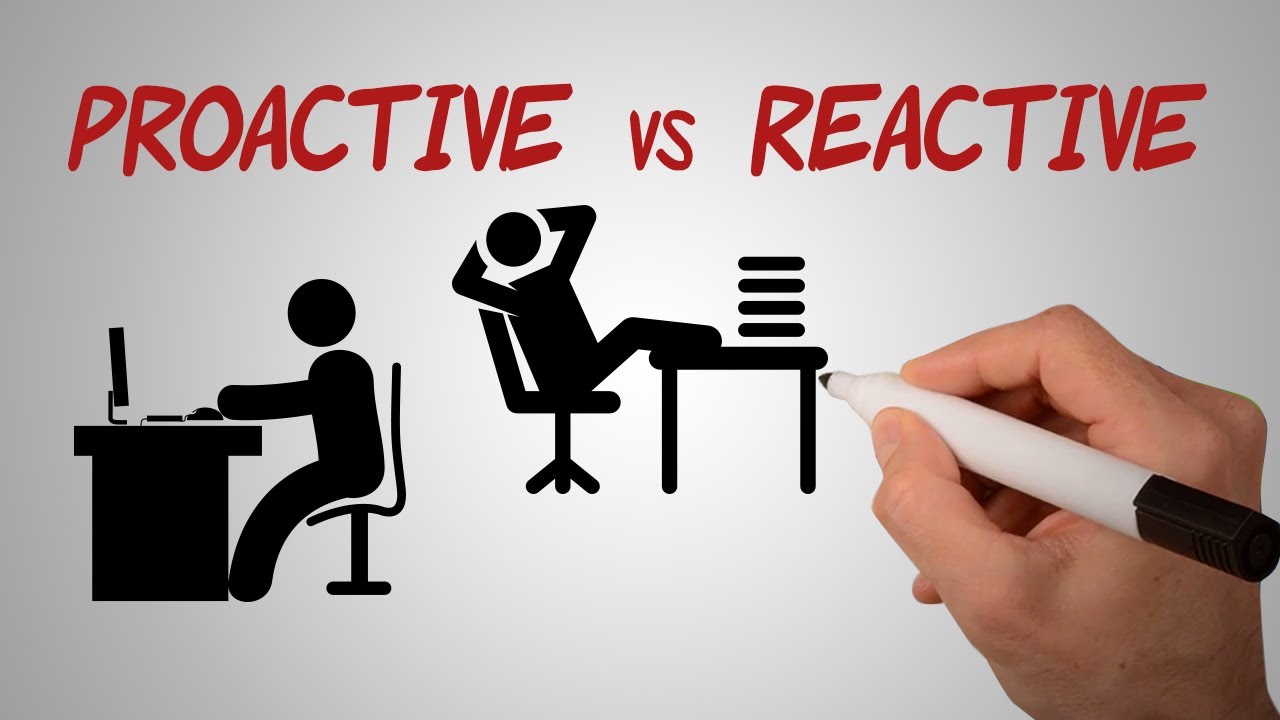
Cecily is proactive—Bart is reactive. Cecily plans, she prepares, she sets goals and meets them. She has a busy but not an overloaded life. Because she wants to enjoy her education, she never takes more than four courses a semester. She has plenty of energy because she takes care of her health, first. Cecily’s family and friends respect and appreciate her, because she sets appropriate boundaries.
Bart is constantly creating emergencies in his life—overwhelming himself and then running, running, running to avoid being overwhelmed. Bart is not in charge of his life. Recently, he had a heart attack and is now a burden to his family and friends.
Reflect, now. Are you living a reactive life? Do you consistently create emergency conditions—procrastinating until deadlines loom? Breaking promises so that you have to overdo to make amends? Ruining your health until you are laid up? Causing accidents because you’re too out of it to be responsible?
How are you proactive? Do you set healthy goals and meet them? Do you plan your days? Do you create healthy boundaries? When you need medical attention do you research your ailment and alternative treatments? Do you actively participate in your recovery?
Ask yourself how you can be proactive instead of reactive. Ask yourself—daily, and sometimes momentarily—Who’s in charge?
© Susanna Rich, 2020
Works Cited
Cover Art: https://www.youtube.com/watch?v=Tex0zKuLCMg
